Performers
virtual interactions
- Introduction
-
Empathy
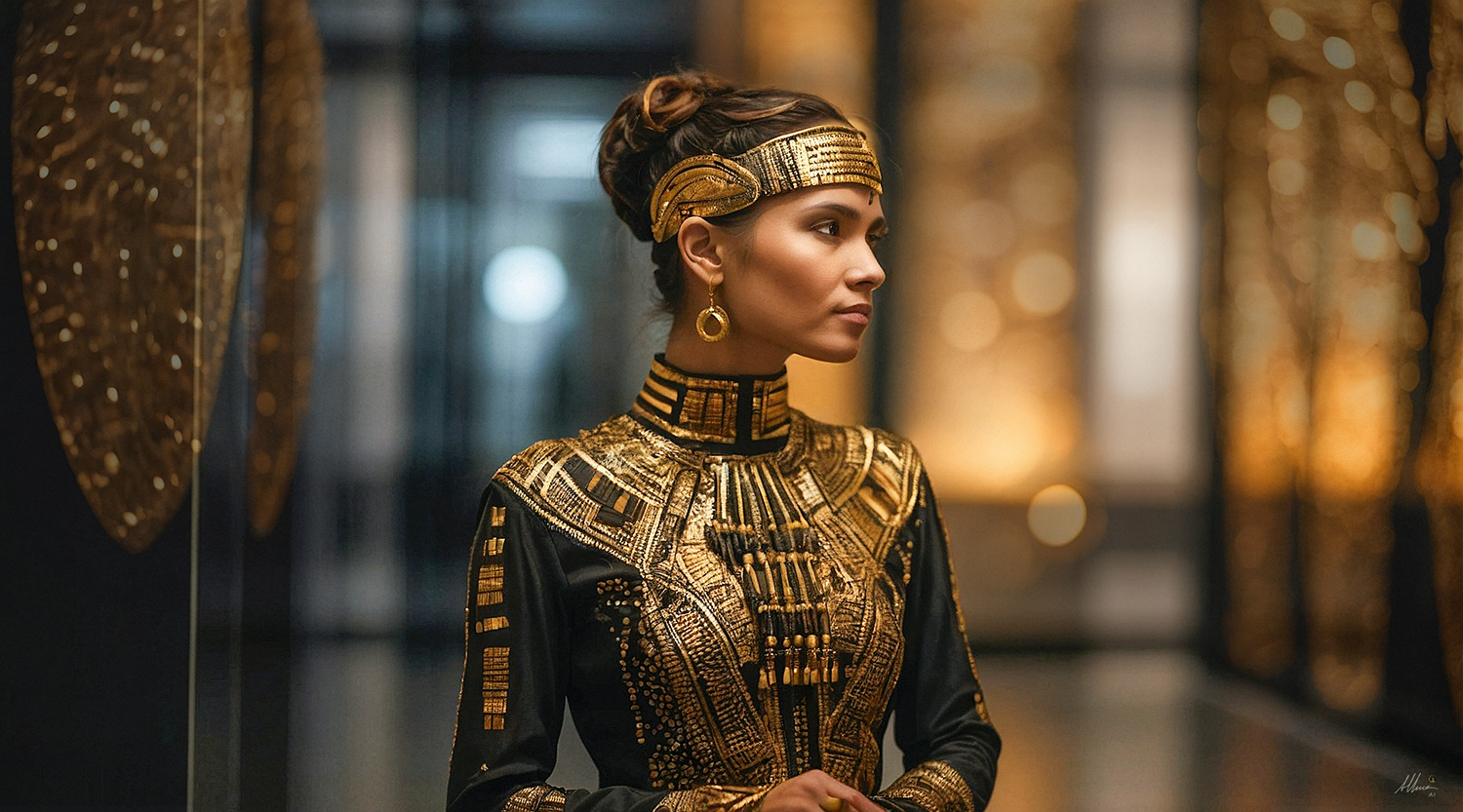
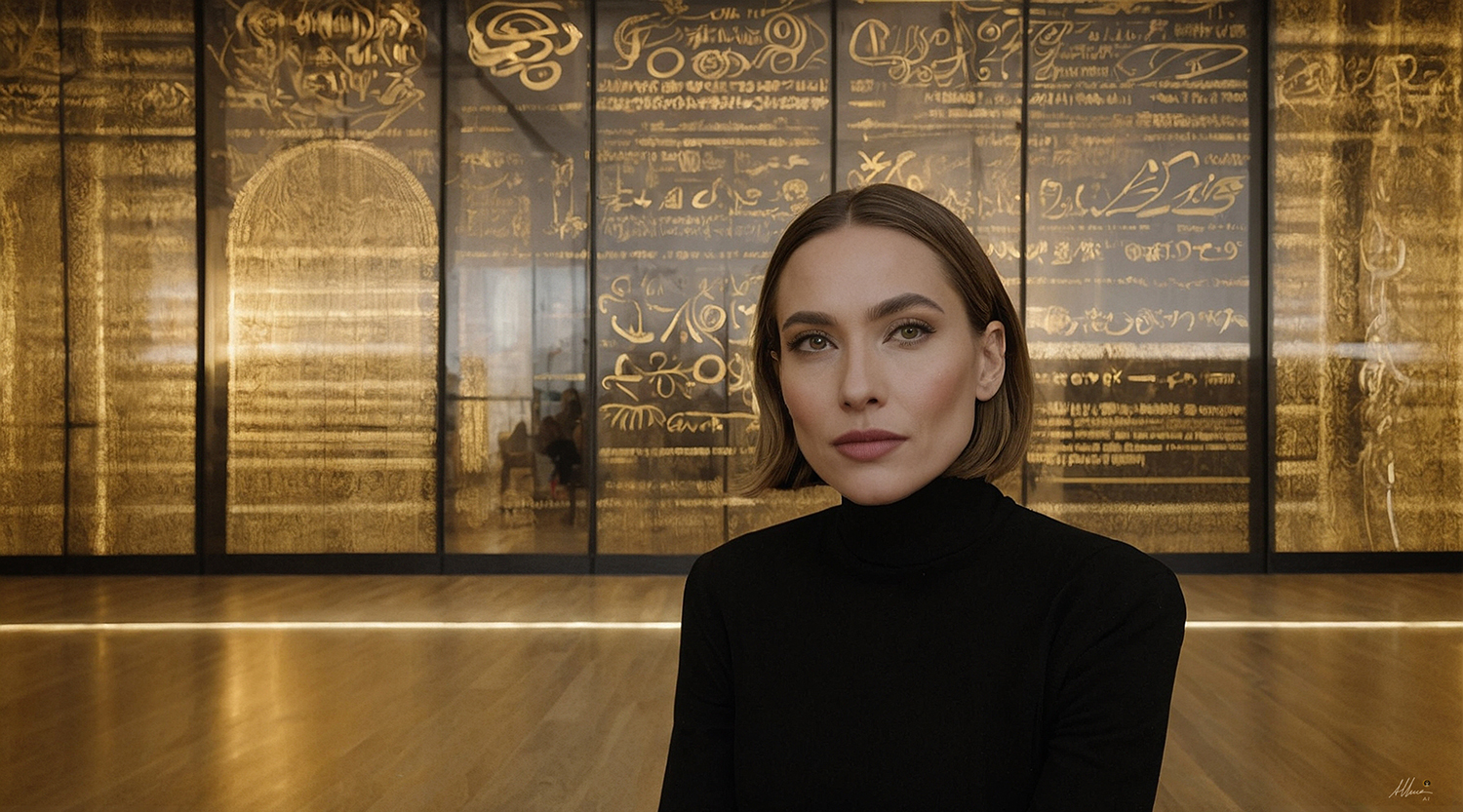
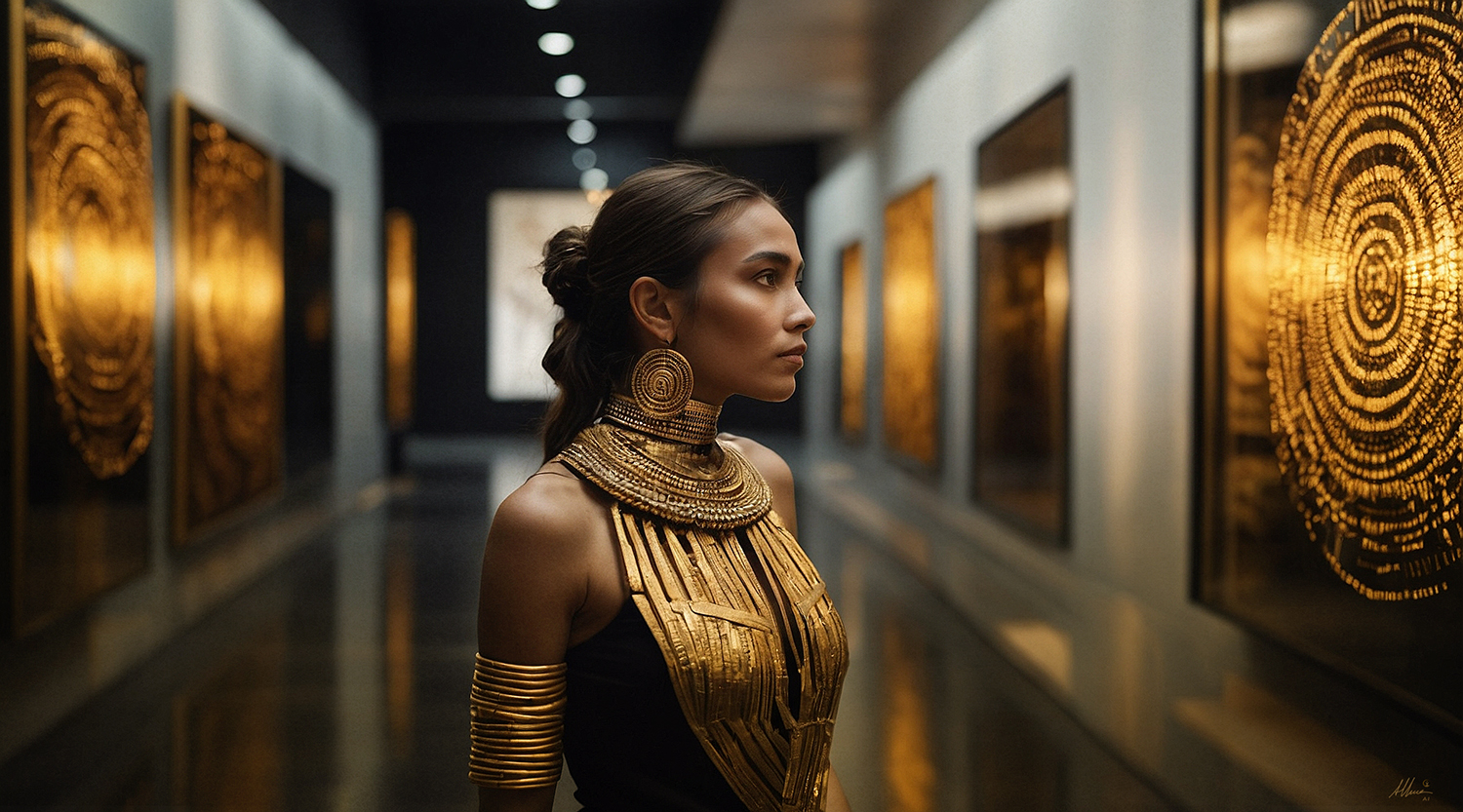
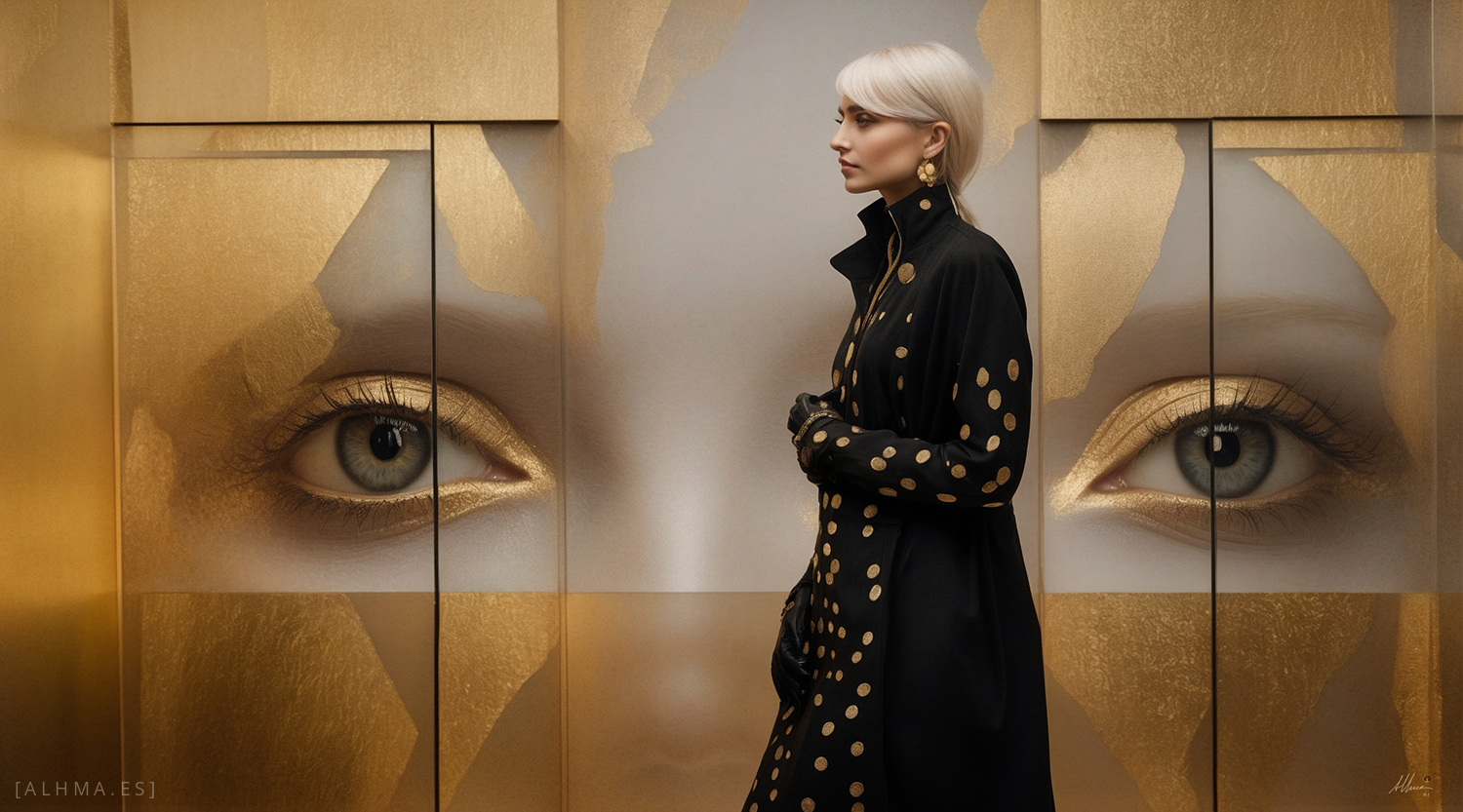
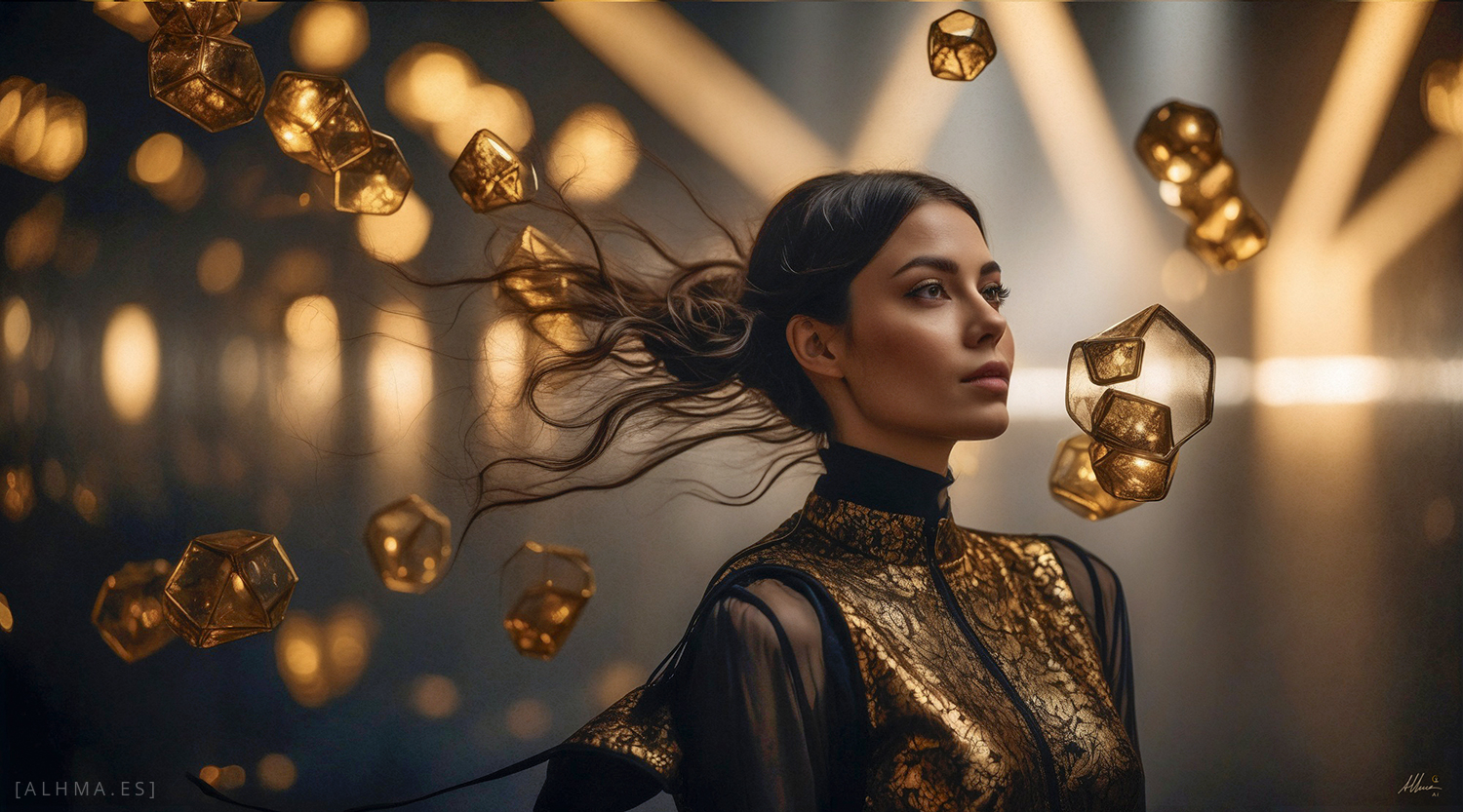
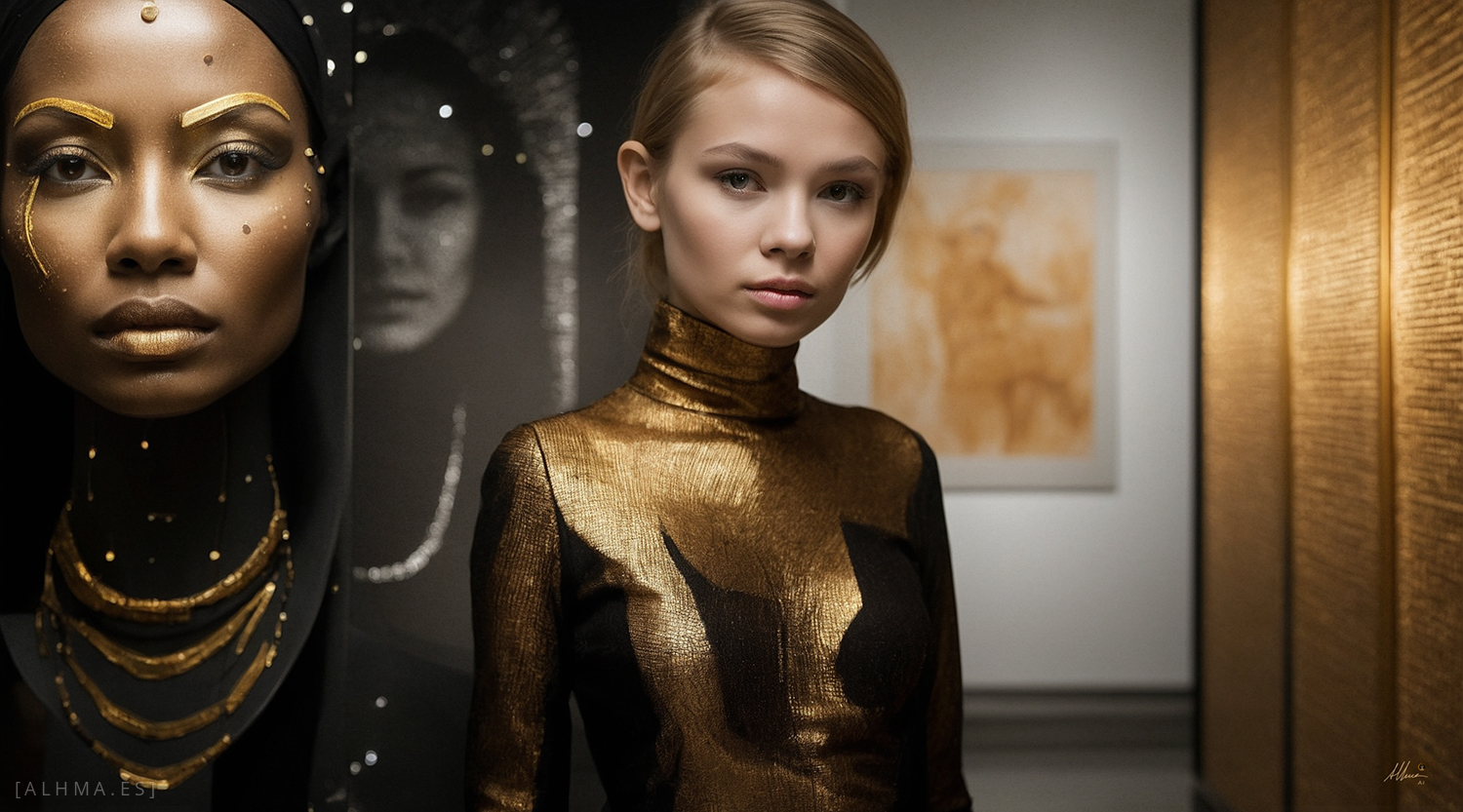
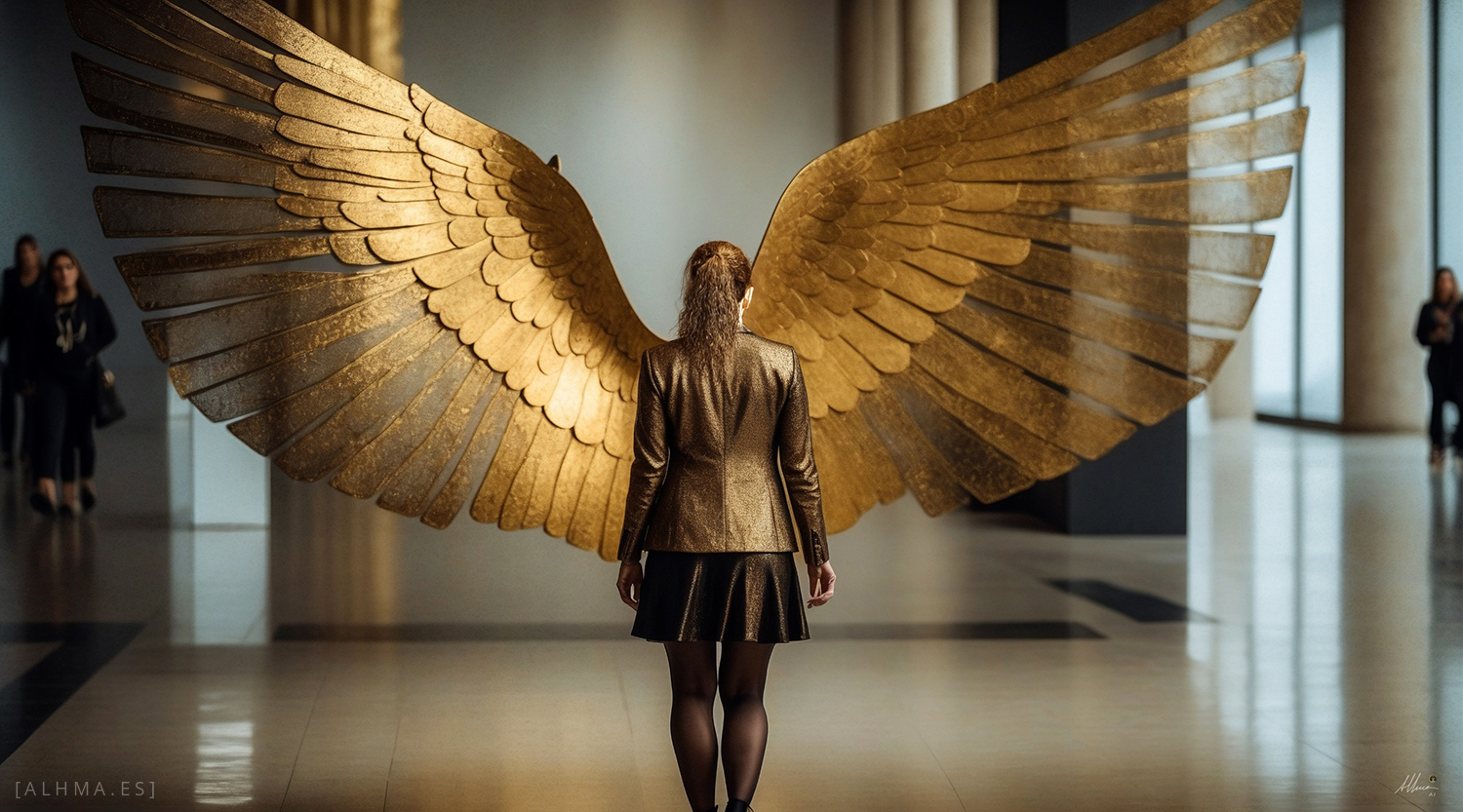
In this museum, the woman plays a central role, linking her identity to the works both as an iconographic motif and through performative models who interact with them. The designer costumes they wear integrate with the environment, expanding the historical relationships between art and fashion. These performative bodies move through the rooms as active presences, blurring the lines between object and subject, artwork and spectator. Fashion thereby acquires a role of dynamic visual discourse, transforming the museum into a space where contemplation becomes aesthetic and political activation, and where art and fashion converse through the body and action.
Women who interact with artworks not just from the outside, but also from an internal dimension, symbolise the deep emotional resonance that can exist between a person and art. This highlights that art is made to be felt and experienced. Spectators also create a dance of light with their interactivity; light becomes choreographic matter, following the invisible cadence of hands. Furthermore, this intimate connection between women and art underscores the importance of recognising the multiple dimensions of human experience, including emotions, memory, and identity. By integrating these lived experiences into the artistic act, greater empathy and social reflection are fostered, transforming art into a powerful tool for questioning norms, opening spaces for inclusion, and promoting cultural diversity.
Transformations in Dance
Performance Fragments
Haptic Magic